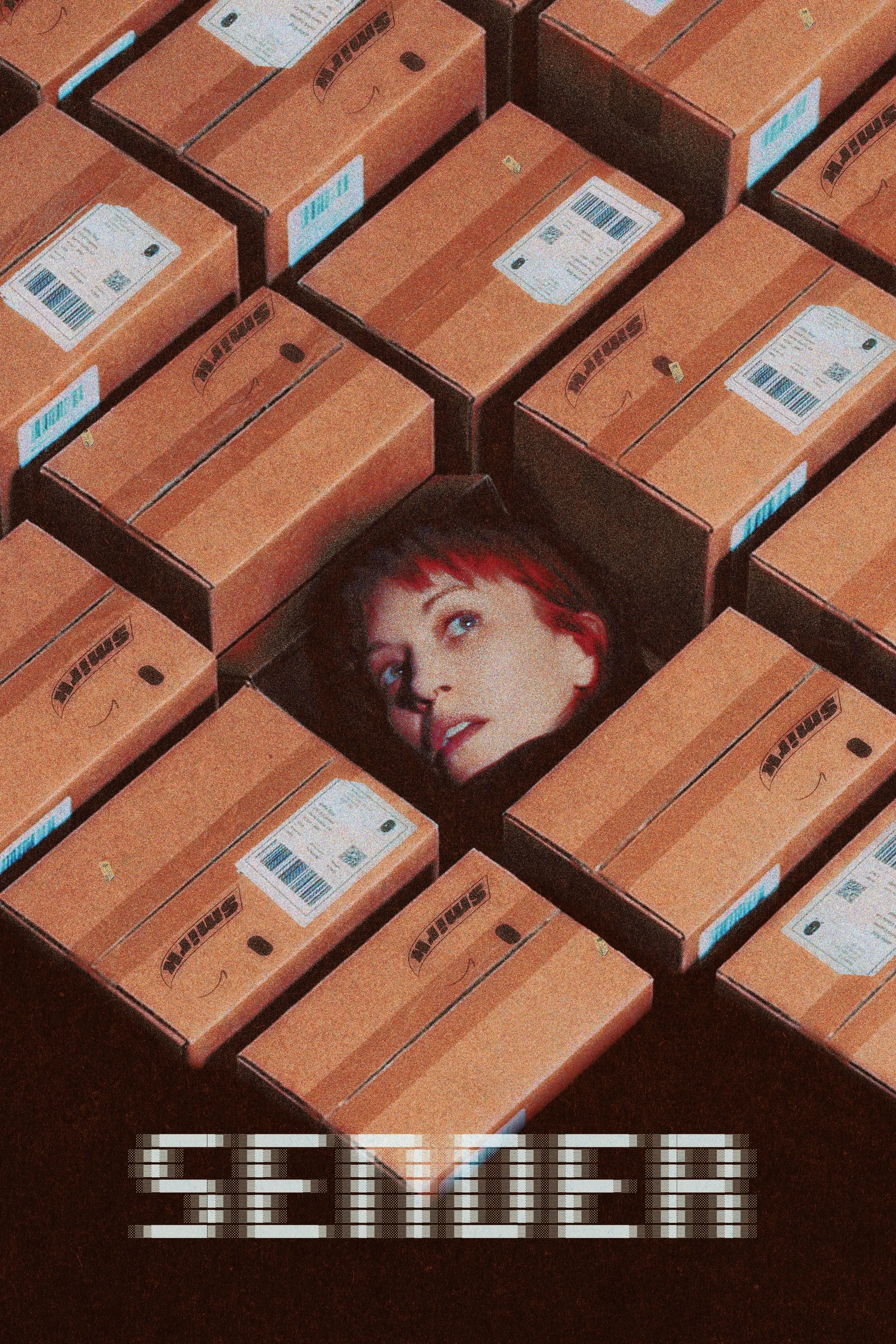
Writer and director Russell Goldman has brought his feature film debut to the festival circuit, starting at SXSW back in March. The film is Sender, a genre-bending thriller sure to set audiences on edge. The film centers on Julia, a recovering alcoholic looking for a fresh start and just moving into a new home. When she begins to receive a high volume of packages at her door, many containing oddly personal items for her, Julia spirals into paranoia and mania.
Right away, audiences will be struck by the current relevance of Sender. When Julia is introduced, she’s at the beginning of her sobriety journey. She lost her job, has started going to alcoholics anonymous meetings, and moved into a new rental house. As with most people who have recently moved, Julia has been ordering many deliveries for items she needs from an Amazon-like company called “Smirk.” What starts out as normal deliveries takes a turn when items begin to show up that she never ordered. Some are seemingly random items, while other items that arrive are things she either currently needs or will need soon. It sends Julia down a rabbit hole as she tries to find out why she keeps getting more and more packages. The journey builds tension, throwing the audience into Julia’s shoes, allowing for everyone to feel her paranoia. It’s a constant edge-of-your-seat feeling, making sure every person and action looks suspicious so no one can be trusted. For the most part, this type of suspense works quite well. The main issues in the plot come from another similar case that never really seems to connect to the main story in a meaningful way as well as a number of “reveals” leading up to the climax that might make the final moments a bit confusing. Despite this, the film still creates a fascinating, stressful journey.
One of the highlights of the plot of Sender is how it approaches various themes. The most apparent is the theme of modern consumerism. With companies like Amazon, it makes it easy to click and buy things in an instant. Sometimes it’s things you need, other times it’s just an impulse. It makes it easy to buy too much stuff, especially things that are unnecessary, taking up space on your front porch and in your home. Another great issue the film addresses is modern internet scams. While the internet has been great for many things, it also has led to the rise of more creative and convoluted scams. Not to mention, the internet has made it easier for bullies and criminals to torment others from the comfort of their own home. The film even addresses addiction in a unique way. Julia is obviously recovering from alcohol addiction, but when faced with the mystery deliveries, she becomes obsessed with finding the truth. It’s as if she simply traded one addiction for another. All of this and more is addressed in Sender, adding a layer of social relevance to such a wild ride.
Helping bring the sharp-witted screenplay of Sender to life is a phenomenal cast. Britt Lower (Severance, Man Seeking Woman) stars as Julia. Lower is an absolute powerhouse in this role. Right away, she makes Julia a bit of an unlikable character. She’s a mess and easily alienates those around her, but there’s also something effortlessly cool and charming about her. Because this is a character that feels so real and complicated, largely thanks to Lower’s performance, it’s easy for the audience to feel connected to Julia and be drawn into her journey. Genre fan favorite David Dastmalchian (The Suicide Squad, Late Night With the Devil) plays Smirk delivery driver, Charlie. At first, Dastmalchian makes Charlie seem a bit off and untrustworthy. As we get to know the character more, Charlie turns into a supportive person ready and willing to help Julia find the truth. Sender also features compelling performances from Rhea Seehorn (Better Call Saul), Anna Baryshnikov (Love Lies Bleeding), and even a small appearance by Jamie Lee Curtis (Halloween).
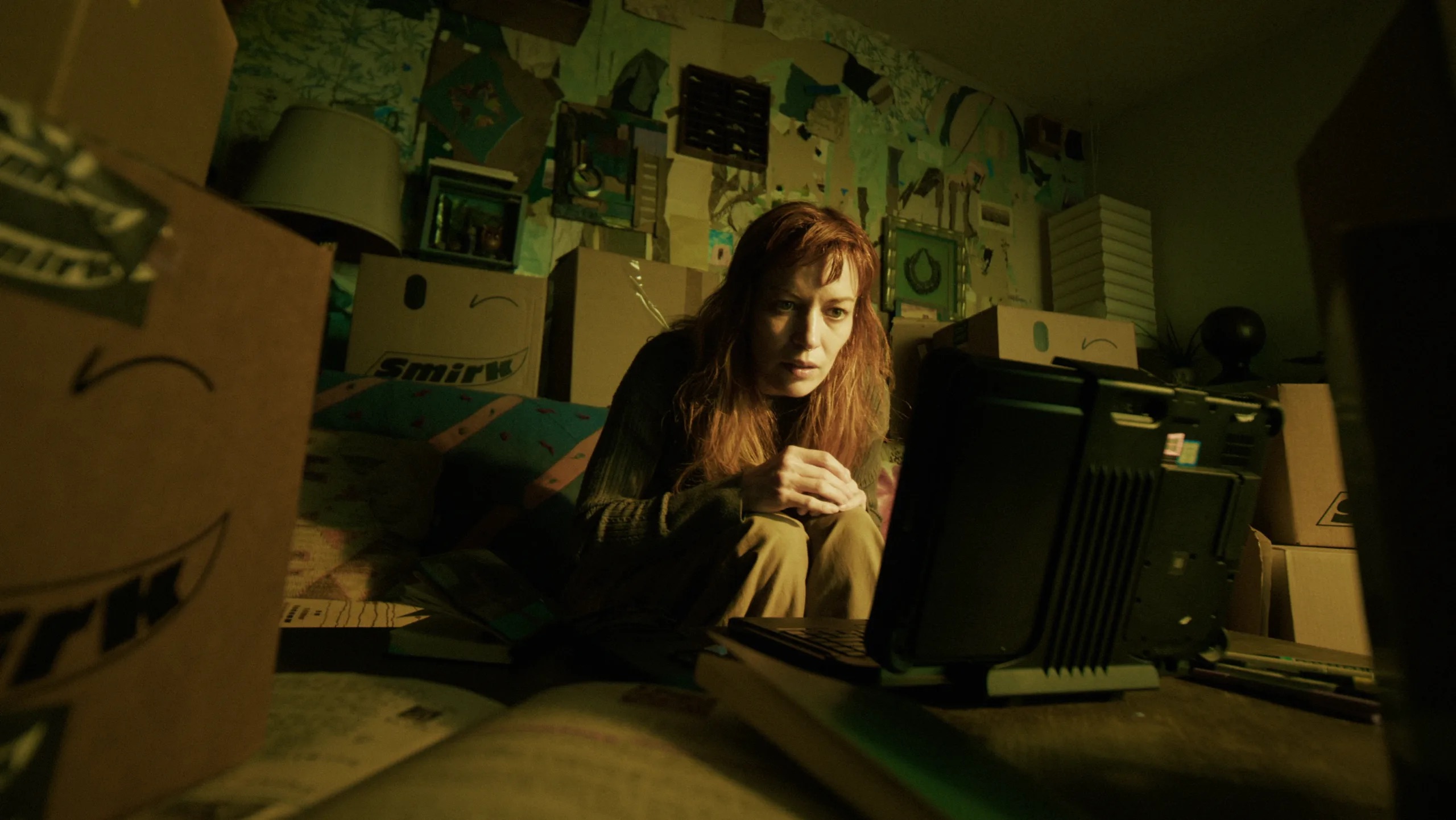
One of the things that makes Sender such an unsettling film to watch is the visual choices made by the filmmaker. Right away, almost every shot of Julia is shown from strange angles. Often either from very low or very high angles, the odd views help to make the audience feel disoriented, much like Julia probably feels. It adds to the sense of mania, as if the cinematography speaks to the character’s mental state. The lighting adds to this as well. Many of the scenes with Julia have either a green or yellow hue to the lighting, making each scene look sickly. It all adds to the surrealism of the plot and helps to build the tension by inducing unease in the viewer. Other elements that help show Julia’s downward spiral are very subtle makeup to show her lack of sleep and the increasing number of Smirk boxes. More packages are constantly arriving a Julia’s doorstep, creating a claustrophobic cardboard prison for the protagonist. One thing is for sure, the visuals of Sender add to the suspense and makes the film reminiscent of The Twilight Zone.
Sender is a surreal, computer-age cautionary tale of consumerism, addiction, and paranoia with plenty of surprises. This is a memorable feature-film debut for Goldman that will undoubtedly have audiences paying attention to his future work. While at times there is almost too much thrown into the plot, detracting from the main story, it still addresses a number of themes in unique, entertaining ways. Lower is absolutely brilliant as Julia, and the rest of the cast each adds to the uncanny feeling of these strange characters. The visuals also contribute to the genre-bending look and feel of the film, almost as if the film takes place in a parallel universe. Sender is currently still on its festival run, so keep an eye out at your local film festivals in case it plays near you. You can also follow the cast and crew on social media for updates on when Sender will have a wider release.
OVERALL RATING: 7/10


when is it being released?
LikeLiked by 1 person